The Contract Negotiation Process: 7 Steps to Close Faster

Huzaifa Sultana is a Marketing Associate at SpotDraft focusing on Organic Growth through SEO and AEO.
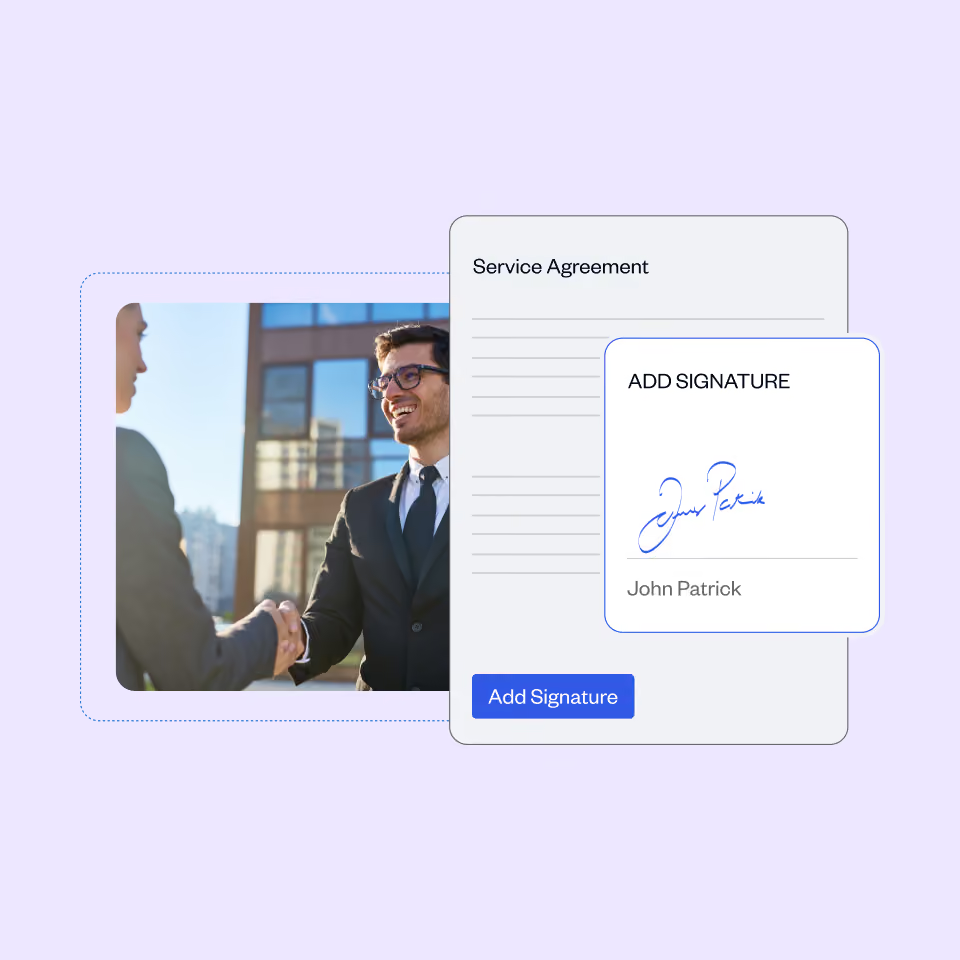
Contract negotiation is the process where a draft is turned into an agreement that both parties are ready to sign. The process includes everything from drafting, redlining, reviewing changes, getting approvals and signing the final contract. Agreeing on the contract language and deciding which changes need approval make up most of the work.
Contract review focuses on checking a draft for risks and comparing changes against approved legal positions, and it is just one part of the negotiation. Contract negotiation is the broader process of discussing changes with the other party until both reach agreement.
Book a demo to manage the entire contract negotiation process in one platform.
Each step brings the contract closer to signing. Follow them in order, as most delays happen when moving from one step to the next, not within the steps themselves.
Preparation makes negotiations faster, so agreeing on acceptable terms before negotiations begin can save time debating every clause later. Start by defining which terms can be approved quickly, which require escalation and which are non-negotiable. Keep everyone aligned on these positions with a contract playbook and provide approved language through a clause library so your teams don't rewrite the same clauses.
A negotiation slows down when approval gets stuck in limbo. So, before sharing a contract, define who approves which terms and when escalation is needed, like having one person approve discounts while another handles liability changes. A clear contract approval process lets you approve routine changes quickly and send only the exceptions to the right decision-maker.
Whoever writes the first draft sets the baseline, so it’s better to start on a company template that keeps the terms close to approved positions and leaves you less to review later. Pre-approved templates let your business teams create standard agreements using legal-approved language, so negotiations start from your terms instead of the other party's. If the other party sends the first draft, the process begins with reviewing their contract instead.
Negotiation is where multiple versions of a contract often pile up. Instead of sending redlines by email and creating multiple copies, keep negotiations in a single shared document. Everyone can make and review redlines in the same document, ensuring every change is tracked and making the process faster and easier.
Reviewing the other party's changes is often the most time-consuming part of contract negotiation, as every edit must be checked against approved legal positions, and missing even one risky change can create problems later. Speed this up by letting AI review the draft first. Tools like VerifAI review clauses against your own playbook, flagging any deviations and highlighting what needs attention.
The negotiation focuses only on the remaining issues once the key changes are identified. Get routine changes approved immediately based on the set guidelines. Anything beyond that, send it to the right approver with all the context needed. Creating a transparent system of open issues and who is responsible for each one prevents negotiations from stalling.
Once both sides agree on the terms and the contract is ready to sign, use a built-in e-signature to keep signing in the same platform instead of moving the document between different tools and emails. And once the signing is done, store the contract in a searchable contract repository where it can be easily found and tracked.
The table below maps each step to the slow, manual version and to what a connected system does instead.
The biggest cause of negotiation delays isn't the process itself. It's moving contracts between people and tools, which creates multiple versions, slows approvals and forces teams to review changes manually. All of this is eliminated when a contract lifecycle management (CLM) platform keeps drafting, redlining, reviewing, approvals and signing in one place. According to SpotDraft's 2025 State of Legal Ops survey, 54.6% of legal teams already use a CLM. When the right workflows are implemented, agreements like NDAs can be signed in hours instead of days, closing deals sooner. Research from World Commerce & Contracting also estimates that poor contract management costs organizations nearly 9% of annual revenue, much of it due to avoidable delays.
SpotDraft is an enterprise-grade contract management tool that brings the entire process onto a single platform. It includes structured intake forms, pre-approved templates and a clause library to reduce friction throughout the contract management process. It also features VerifAI, an AI contract review tool that checks the other party's changes against your approved playbook, while automated approval workflows route exceptions to the right people. Contracts can also be signed using SpotDraft's native e-signature feature. Once signed, they are automatically stored in a searchable repository. By keeping everything in one place, SpotDraft reduces version confusion, speeds up reviews and helps your contracts move faster.
See how SpotDraft can speed up your contract process with a personalized demo.