Contract Version Control: Stop Working From the Wrong Draft

Huzaifa Sultana is a Marketing Associate at SpotDraft focusing on Organic Growth through SEO and AEO.
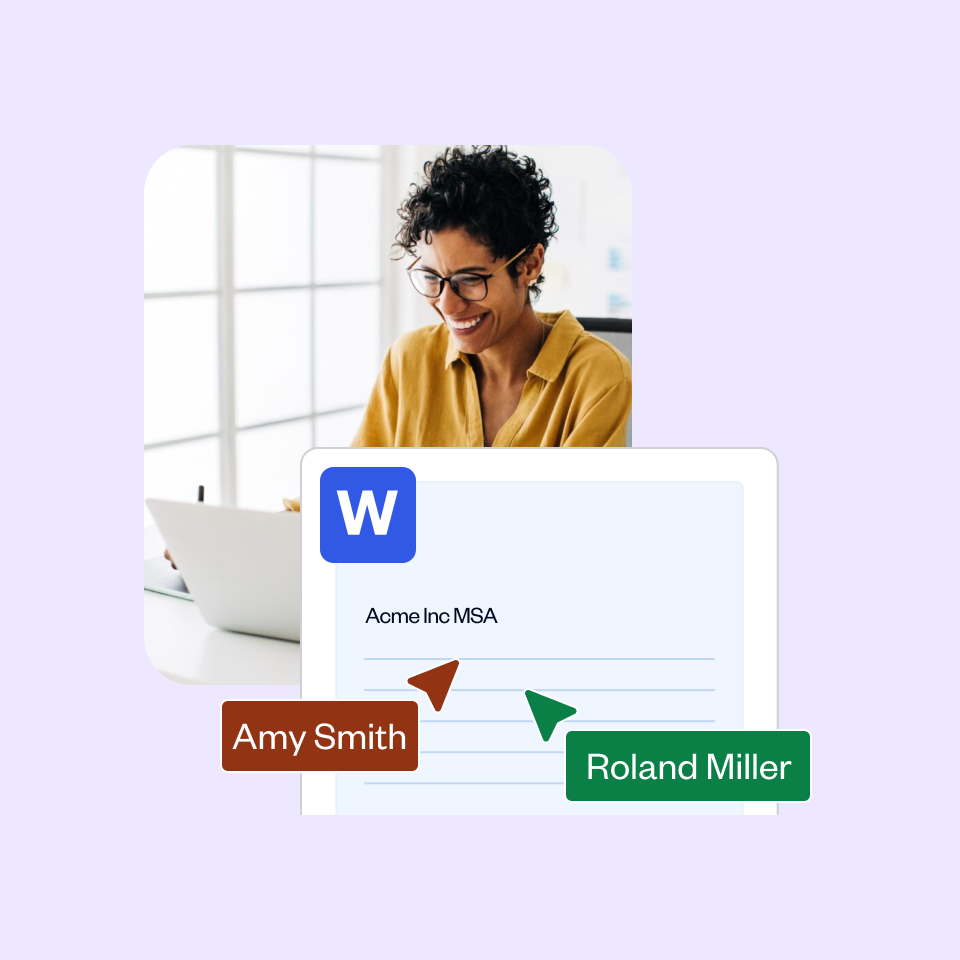
A contract goes through many rounds of changes by teams that are involved in the negotiation. Once the first draft exists, legal, finance and sales revise it internally. The other party then returns the document with its own markup. Version control keeps track of all these changes in one system.
One can argue that the file name should be enough. Imagine your folder contains one file named “final.docx” and another “final.REVISED.docx.” This makes the identification problematic as both claim to be the final version, neither shows who made the last edit, what was changed, or which draft the parties settled on. Version control solves this by recording the information automatically. This record matters for legal teams that may need to demonstrate how the final agreement was reached.
Book a demo and see how SpotDraft keeps every draft, comment and redline in one place.
Not being able to keep track of versions is rarely about carelessness. It is often a result of the process through which a contract is drafted and negotiated. A draft sent as an email attachment is circulated internally by the other party, whose reviewers edit an offline copy and return a separate document. It is shared via email, which is then shared internally by the counterparty, where teams might work on an offline version and revert with another draft. The duplication of a document means the legal team loses track of who made the changes, where and what. Teams that rely on MS Word collaboration for negotiation often find the divergence only when the two files are compared side by side. Comparison fails when a draft is exported to PDF, because the export drops tracked changes and comments.
Version control is important even after approval. If a clause is renegotiated after sign-off, the approval applies only to the earlier version. Without a record of what changed between the two, the contract approval process provides limited assurance.
The commercial consequence is straightforward. Whatever document carries the signatures governs the relationship, even if it reflects a position the negotiation had already moved past. A liability cap that was raised during negotiation but sits at the original figure in the signed copy is enforceable at the lower number.
Common failures include indemnity language that reverted to an earlier draft, payment terms that no longer match what finance approved and a data processing addendum that was agreed in principle but never attached to the executed file. Each one becomes visible during an audit, a renewal or a dispute, which is the least convenient moment to discover it.
The remediation work is also real. Correcting an executed agreement requires an amendment, which means reopening a negotiation that both sides considered closed. Research from World Commerce & Contracting estimates that organizations lose roughly 9% of annual revenue to poor contract management, and version failures sit inside that figure alongside missed renewals and unenforced obligations.
Enforceability questions can follow. If the two sides hold different files and neither can demonstrate which version was agreed, the dispute shifts from interpreting the contract to establishing what the contract says.
A contract lifecycle management platform handles versioning as a property of the system rather than a discipline the team has to maintain. The table below sets the manual method against the platform equivalent.
Two capabilities carry most of the weight. The first is comparison. Contract redlining inside a platform produces a difference view between any two stored versions, so a reviewer can see exactly what moved since the last approval instead of rereading the whole agreement. The second is the clause library, which supplies approved language and flags substitutions, so a fallback clause cannot enter a draft without being noticed.
AI contract review extends this. When the other side returns a marked up draft, the platform checks the incoming language against the positions the legal team has already approved and reports the deviations. That check runs in seconds and does not depend on a reviewer remembering the state of the previous version.
Storage closes the loop. A contract repository that holds the executed agreement together with its version history means the question of what was agreed and when has a documented answer.
Volume matters more than headcount. A two person legal team handling forty agreements a month has a version problem. A larger team that issues standard templates and receives few edits may not.
The indicators are specific. Contracts are negotiated over email attachments. More than one person edits the same agreement. Approvers ask which version they have received. Signed contracts are stored separately from the drafts that produced them. Any of these means the current process depends on individual memory, and memory does not survive staff turnover or a six month gap before a renewal.
Teams evaluating a first system can start with the basics of contract management software before comparing platforms in detail.
Step four is the one most teams omit. It is also the step that catches reverted clauses before signature.
SpotDraft keeps drafting, negotiation, approval and signature in one platform, so version history is continuous from the first request to the executed agreement.
Every change is attributed and timestamped, and any two versions can be compared directly. VerifAI reviews incoming edits from the other side against the approved playbook and reports deviations before they reach an approver. Approved clauses can be locked so that changes require sign off. Native e-signature produces the executed file from the final version and stores it against the same record, which keeps the signed document connected to the negotiation that produced it. Implementation runs in weeks, with migration and training included.
See how SpotDraft handles versioning with a personalized demo.