Key Insights
1. Comfort with Ambiguity Is Table Stakes for Frontier Leaders.
Operating in rapidly evolving markets like crypto and AI requires legal leaders to make sound, defensible decisions without complete regulatory guidance. Legal counsel must shift from asking “what was done last time” to actively formulating business-enabling risk profiles and rigorously documenting their reasoning.
2. Effective Prioritization Depends on Radical Transparency.
GCs must balance rigid regulatory filing deadlines with broader corporate strategic initiatives. Rather than managing queues in isolation, legal executives must continuously communicate prioritization to business partners, asking targeted questions to determine actual deal velocity versus perceived urgency.
3. In-House Careers Demand an Action-Oriented Risk Profile.
Moving straight into an in-house function without Big Law training requires learning how to make decisions rather than simply outlining risks. Successful in-house lawyers learn the business’s specific risk tolerance and serve as proactive growth partners rather than default gatekeepers.
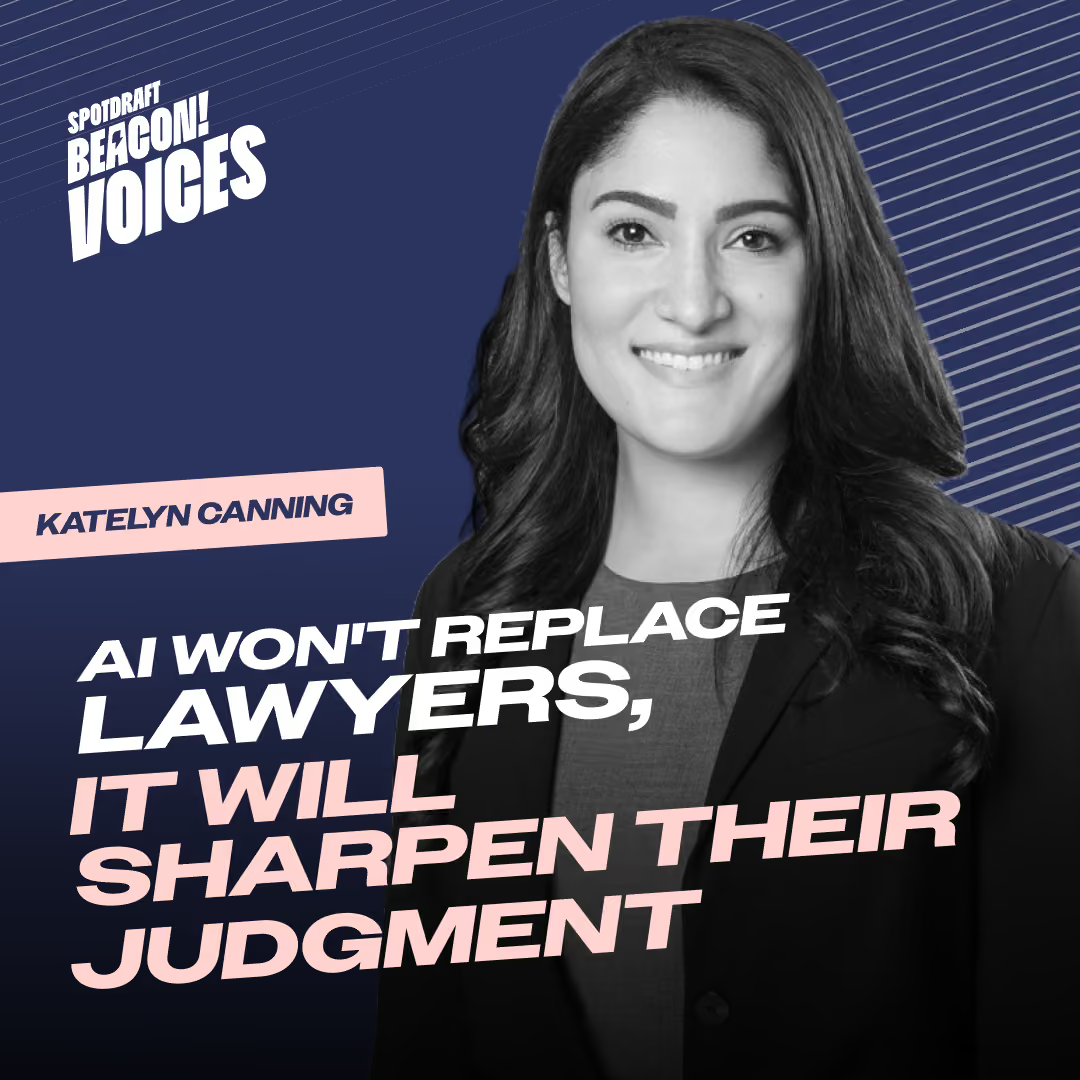
4. Unchecked AI Usage Poses a Major Quality Control Threat.
The most underestimated risk in legal AI adoption is attorneys accepting generated work product without manual verification. While AI models dramatically accelerate drafting and research synthesis, human legal judgment and manual source validation remain essential to prevent factual or regulatory errors.
Closing Insight
Operational leadership in modern legal departments requires moving beyond static risk avoidance. By establishing transparent intake processes, embracing calculated ambiguity, and enforcing strict human oversight over automated tools, legal and compliance executives position their functions as vital drivers of enterprise growth.